


ShinCraft: Speed Awakens
3.2135.00 Reviews
App Specs
- Version
- 140216
- Updated On
- License
- Free
- Downloads
- 10,000,000+
- Developer
- SimulationCraft Studios
- Categories
- Simulation
- Platform
- Android
Screenshots
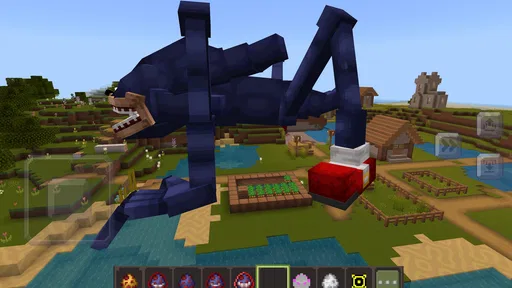
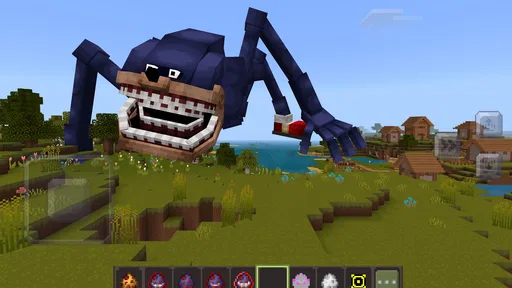
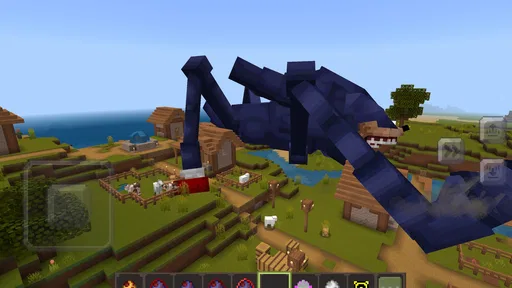
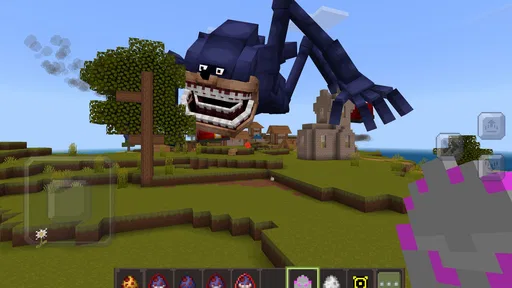
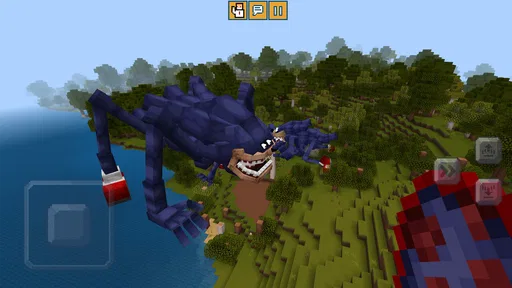
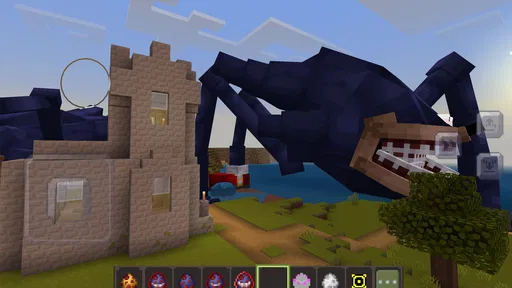
 Analysis by AppCompare
ShinCraft: Speed Awakens is a block-building simulation game that caught my attention because it tries to mix creative construction with a faster, more active style of play. Instead of treating a blocky world as a quiet place to build at your own pace, it presents the idea of movement and creation working together. That combination is appealing, although it also means the game may not satisfy players who want either a deep construction sandbox or a fully focused racing experience.
I spent time looking at it as an everyday mobile game rather than judging it only by its short store description. The result is a fairly easy game to understand, but one that benefits from realistic expectations. It is free to play, belongs to the simulation category, and comes from SimulationCraft Studios. Its audience is marked as Teen, so it is worth checking whether that age rating suits the person who will use it.
How ShinCraft feels in its current state
The central appeal is the contrast between a simple-looking block world and the sense of speed suggested by the title. Building games often encourage patience: gather materials, arrange structures, and slowly improve a personal space. ShinCraft: Speed Awakens aims for a more energetic rhythm. I found that idea more interesting than a standard building clone because it gives construction a practical purpose beyond decoration.
That said, the experience is best understood as a hybrid. It is not wise to approach it expecting the enormous creative depth of the most established sandbox games, and it is equally unwise to expect a dedicated racing game with finely tuned vehicle handling. The strongest reason to try it is the combination itself: a player who enjoys making things but also wants the world to feel active may find a pleasant middle ground here.
The visual concept is immediately readable. Block-based environments are familiar, which lowers the learning curve and makes the game approachable even if you have not played this particular title before. I could quickly understand the broad purpose of exploring, shaping the environment, and looking for ways to connect movement with creativity. That clarity matters on a phone, where complicated interfaces can turn a short play session into work.
Its current version is listed as 140216, and the game supports devices running Android 7.0 or later. Those details make it accessible to people using older Android hardware, at least from a system-version perspective. In practice, your personal experience will still depend on the phone’s performance, available storage, screen size, and how comfortably its controls respond during movement.
One useful way to play is in short sessions. I would open it when I had a few minutes to experiment with a construction idea, test a route through the world, or simply move around without committing to a long campaign. The blocky presentation supports that kind of casual use because the goal is easy to recognize even when I am not in the mood to learn a complicated system.
Worth Reading Before You Choose

EA SPORTS FC Mobile 26 Is a Bigger Football Game, but It Takes Time

Flipboard Shows What News Apps Must Do Beyond the Feed

Switching to Android Auto Means Rethinking Your Driving Routine

Google Calendar Makes a Crowded Week Easier to Manage

Ludo King Makes the Most of the Minutes Between Plans

Baby Panda World Brings Quick Play to Modern Phones, but Its Game Library Feels Busy
Who is likely to enjoy it
ShinCraft is a good match for players who like the satisfaction of arranging blocks but become bored when a sandbox feels too slow. It can also suit younger teens and adults who prefer visual experimentation over demanding strategy. If you enjoy trying different layouts, finding efficient paths, and turning a simple environment into something personal, the game has a reasonable starting point.
I would be more cautious about recommending it to someone searching for a detailed engineering simulator. The word “simulation” does not automatically mean that every action follows realistic rules. Here, the attraction is the playful combination of systems rather than strict realism. Players who want lifelike physics, a serious management layer, or a large competitive community should compare it with more specialized alternatives before settling in.
What the release and version tell existing players
The game was released on January 9, 2025, so it is still relatively young compared with long-running block-building titles. That helps explain why I would treat the current experience as a foundation rather than a finished destination for every type of player. Newer games can feel fresh and easier to approach, but they may also have rough edges that mature competitors have had years to smooth out.
The current version number gives existing users a practical reference point when troubleshooting. If you are returning after time away, first check whether your installed build matches the current listing, then restart the game after updating and test the controls in a low-pressure area. This is a simple habit, but it avoids blaming the design for behavior caused by an outdated installation or a partially completed update.
I would not assume that a version change automatically transforms the game. A number alone does not tell me that the entire progression system, interface, or world structure has been redesigned. What I can say is that the present build should be judged on how well its speed-and-building concept works today, not on promises about what a future update might add.
For someone who already played an earlier build, the most sensible approach is to revisit the parts that matter most to you: movement comfort, the ease of placing or arranging blocks, and whether the world gives you enough reason to keep experimenting. If those basics now feel smoother on your device, the update may make the game more enjoyable even without a dramatic change in appearance.
Small strategies that make the hybrid design work better
My first practical tip is to build with movement in mind instead of treating construction as a separate activity. When you create a path, platform, lookout, or compact base, ask how you will approach it at speed. A structure that looks attractive from one angle may be awkward to navigate. Designing for both appearance and access gives the block placement a real function.
A second useful habit is to make small test sections before committing to a large project. On a mobile screen, it is easy to place several blocks and only later notice that the route feels cramped or that the shape is difficult to read while moving. A short prototype lets you check spacing and flow first. This saves time and makes experimentation less frustrating.
Third, I recommend separating creative sessions from movement sessions when you are learning the controls. Trying to construct something ambitious while still figuring out turning, camera movement, or speed can make every mistake feel like a building problem. Spend a few minutes simply moving through the environment, then return to construction with a better sense of how much room your design needs.
These are not flashy tricks, but they reveal the main trade-off in ShinCraft. A traditional creative sandbox lets you focus almost entirely on the shape of a build. This game asks you to think about how that build interacts with motion. That extra consideration can make simple projects more rewarding, but it can also feel like an unnecessary restriction if you only want a relaxed decorating tool.
How it compares with familiar alternatives
Compared with a conventional block-building sandbox, ShinCraft feels more directed by the relationship between construction and speed. The advantage is variety: I am less likely to see a building project as an isolated object because movement gives it context. The disadvantage is that players who want unlimited creative freedom may find the hybrid approach less satisfying than a pure sandbox built around exploration and construction.
Compared with a racing game, the appeal is much more personal and spatial. You are not relying only on lap times or tightly designed tracks; the environment itself becomes part of the experience. That makes it more approachable for people who like shaping a world, but less suitable for anyone seeking precise competitive driving, deep vehicle tuning, or a clearly defined race structure.
Compared with management simulations, it is likely to feel lighter and more visual. There is a difference between making a world look and feel right and balancing a complex economy or production chain. I would choose ShinCraft when I want hands-on creativity and movement, not when I want spreadsheets, long-term resource planning, or a detailed business challenge.
The fact that it is free makes trying that middle ground easier. I can install it without making a purchase decision first, which is useful when I am unsure whether the unusual combination will suit me. Still, “free” should not be confused with guaranteed value for every player. The real test is whether the core loop keeps you interested after the novelty of the blocky world wears off.
Everyday use: a realistic short session
Imagine having a short break between tasks and wanting something more interactive than scrolling. I would use ShinCraft by choosing one modest objective: improve a small route, adjust a structure that is hard to pass, or experiment with a compact design. That gives the session a clear finish line. When time is limited, a narrow goal is better than starting a huge build and leaving it unfinished.
On a larger phone, I would pay attention to how easily I can see the environment while moving. On a smaller screen, I would favor simpler shapes and wider paths because visual clutter can make navigation tiring. This is one of the less obvious considerations for a mobile building game: the same design may feel elegant on one display and confusing on another.
If I were introducing the game to a friend, I would show the hybrid idea first rather than describing it as a standard sandbox. I would ask them to create something small, then move through it and revise the design. That quick loop explains the game better than a long tutorial-style explanation because it demonstrates why speed changes the way you build.
Where the current experience may fall short
The biggest potential limitation is focus. A hybrid game has to make both sides useful. If the construction tools feel too simple, creative players may outgrow them. If movement lacks enough purpose, the speed element may feel like decoration rather than a meaningful part of play. I would keep that question in mind during the first few sessions: does each side improve the other, or am I switching between two loosely connected activities?
Another concern is long-term motivation. A game can be enjoyable for experimentation without offering enough structure for months of regular play. Players who need a strong progression path, frequent challenges, or a competitive reason to return may prefer a more established alternative. ShinCraft is easier to recommend as a creative mobile diversion than as someone’s only simulation game.
The Teen content rating also matters when deciding who should play. Parents should consider the rating alongside the child’s age and their own comfort with the game’s presentation. The rating is not a quality judgment, but it is a useful boundary when choosing mobile entertainment for a family device.
Because the game supports Android 7.0 and above, compatibility looks broad on paper, yet older phones may still provide a less comfortable experience than newer ones. I would close background apps, keep enough free space for updates, and test the game before planning a large project. If movement feels delayed or the display becomes difficult to follow, no amount of creative enthusiasm will fully solve the problem.
What I would watch as the game develops
For future progress, I would watch how SimulationCraft Studios strengthens the connection between speed and building. The most valuable improvements would be those that make the player’s creations matter during movement, rather than simply adding more objects without improving the central loop. Better clarity, more satisfying reasons to revisit older builds, and smoother interaction would all support the game’s identity.
I would also pay attention to how the current version affects returning players. A good update should make existing projects easier to continue, not just attract new users. If revisions preserve the approachable block-based style while giving experienced players more room to experiment, ShinCraft could become more distinctive instead of blending into the crowded mobile sandbox field.
The game already has a substantial audience, with over 10 million installs, while its average rating sits at 3.2 from around 9,600 ratings. Those figures suggest that many people are willing to try the concept, but the mixed reception is a reminder to approach it with an open mind rather than assuming popularity guarantees polish. I would read that signal as encouragement to test the game personally, not as a reason to ignore its rougher edges.
My final recommendation is fairly specific. Try ShinCraft if you want a free block-based simulation that asks you to combine creativity with movement, especially if ordinary building games feel too passive. Give it a fair test by creating small functional structures and using them, not just decorating them. Skip it if you need a deep, mature sandbox, a realistic simulator, or a focused racing experience with no construction layer.
In my experience, the game’s identity is more interesting than its individual ingredients. Blocks are familiar, and speed is familiar, but the tension between designing a place and moving through it gives the experience its own character. The best way to judge ShinCraft is to play as both a builder and a navigator; if you enjoy making those roles support each other, this free mobile game is worth a try.
Pros
- Fast-paced battles make short play sessions engaging.
- Anime-inspired visuals give characters a distinctive style.
- Multiple heroes encourage experimentation with different team setups.
- Regular progression rewards help maintain a sense of advancement.
- Auto-battle options make routine stages easier to complete.
Cons
- Combat can become repetitive after extended play sessions.
- Higher-level content may require considerable grinding.
- Some upgrades and resources are difficult to obtain without spending.
- The large roster can make team-building confusing for new players.
- A stable internet connection is needed for most features.
FAQs for ShinCraft: Speed Awakens
What is ShinCraft: Speed Awakens?
ShinCraft: Speed Awakens is an action-focused mobile game that combines fast-paced combat, character progression, and anime-inspired visuals. Players generally build a team of heroes, improve their abilities, and take part in story missions or competitive challenges. Before downloading, check the current store description because available modes, characters, events, and supported devices may change with updates.
Is ShinCraft: Speed Awakens free to download and play?
The game is typically available as a free download, allowing players to begin without paying an upfront purchase price. However, it may include optional in-app purchases for resources, character upgrades, cosmetic items, or progression benefits. You can usually play without spending money, although advancement may require more time and patience. Review the store listing and device payment settings before installing.
Does ShinCraft: Speed Awakens require an internet connection?
An internet connection may be required for important features such as account synchronization, online events, competitive modes, rewards, updates, and in-app purchases. Some parts of the game might load locally, but you should not assume that the complete experience works offline. A stable Wi-Fi or mobile-data connection is recommended, particularly when downloading additional game files or participating in live content.
Is ShinCraft: Speed Awakens suitable for children?
Suitability depends on the age rating, combat presentation, chat functions, advertising, and purchase options listed on the official app store page. Since the game focuses on action and progression, parents should review its rating and privacy information before allowing children to play. It is also wise to enable purchase restrictions and check whether social or communication features are available.
What should I check before downloading ShinCraft: Speed Awakens?
Before downloading, verify that your Android or iOS device meets the listed operating-system and storage requirements. The initial installation may not include every asset, so additional downloads can consume considerable space and data. Also check the developer name, latest update date, permissions, privacy policy, regional availability, and user reviews to confirm that the current version matches your expectations.


